If you’ve ever been unsure about whether you need to complete a Self Assessment tax return, you’re not alone. Each year, thousands of individuals miss filing requirements simply because the thresholds and rules are misunderstood. With changes continuing into 2026 – including adjustments to PAYE reporting and the phased rollout of Making Tax Digital – it’s more important than ever to understand where you stand.
This guide explains the Self Assessment income thresholds that apply for the 2026 filing deadline, who is required to submit a return, and how recent changes may affect people with self-employment, property, or higher PAYE income. Whether you already complete a tax return or want to confirm if you still need one, this article breaks the rules down clearly and practically.
Who Needs to File a Self Assessment in 2026?
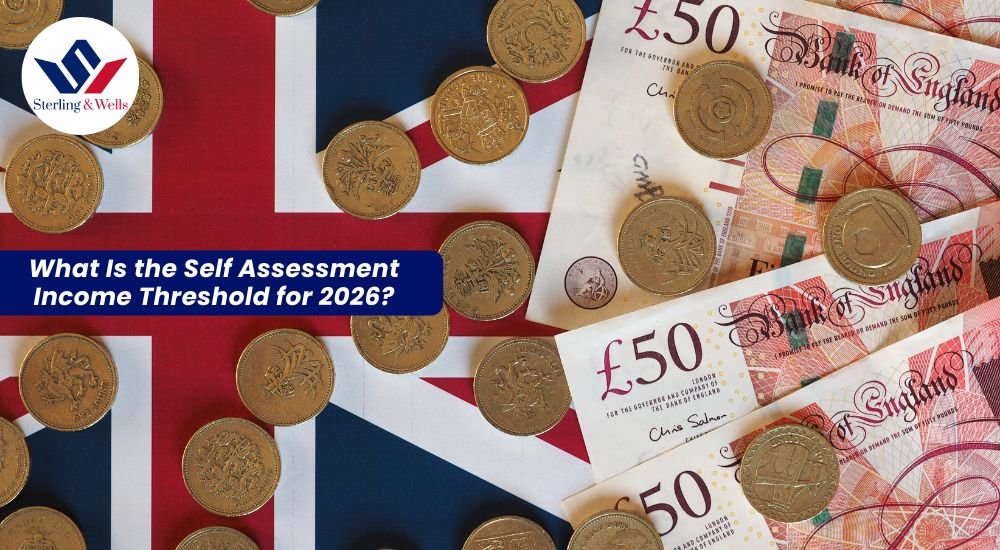
For the 2026 filing year, HMRC continues to base Self Assessment requirements largely on income type rather than employment status alone. If you are self-employed as a sole trader and your gross trading income exceeds £1,000 in the tax year, you are required to register for Self Assessment and submit a return. This threshold applies regardless of whether the business is full-time, part-time, or run alongside employment.
The same £1,000 threshold applies to landlords. If your gross rental income exceeds £1,000 in a tax year, you must file a Self Assessment return. This includes income from residential, commercial, or overseas property, even if the property makes little or no profit after expenses.
Certain individuals must file regardless of income level. Company directors typically need to submit a return, especially where dividends are received or expenses are reimbursed. Business partners must also file a return each year, even if their share of income is modest. In addition, individuals with untaxed income of £2,500 or more – such as commission, casual earnings, or certain benefits – are usually required to file.
Making Tax Digital for Income Tax: What Changes in 2026?
One of the most significant developments affecting Self Assessment is the rollout of Making Tax Digital (MTD) for Income Tax. From April 2026, individuals with combined gross income from self-employment and property exceeding £50,000 will be required to comply with MTD rules.
This means keeping digital records using HMRC-recognised software and submitting quarterly updates of income and expenses to HMRC. These updates are not tax bills and do not trigger payments, but they replace much of the traditional annual reporting process and form the basis of year-end calculations.
Those with combined self-employment and property income between £10,000 and £50,000 are not yet mandated to join MTD in 2026 but may be encouraged to do so voluntarily. HMRC’s intention is to gradually bring most self-employed individuals and landlords into the digital system, making early familiarisation beneficial even where it is not compulsory.
PAYE Income Thresholds: What Still Triggers Self Assessment?
For individuals whose income is taxed entirely through PAYE, the requirement to file a Self Assessment return has been significantly reduced in recent years. For the 2026 filing year, individuals earning £150,000 or more through PAYE are required to submit a Self Assessment return.
This change, first introduced for the 2023/24 tax year, remains in place for 2026 and removes the need for many higher earners to file, provided their tax affairs are otherwise straightforward. However, this exemption only applies where income is fully taxed at source and no other filing triggers exist.
If you earn below £150,000 through PAYE but also receive rental income, self-employment income, dividends, or significant savings interest, you may still need to file a return. PAYE alone does not automatically remove the obligation where other taxable income exists.
Key Self Assessment Deadlines for 2026
Understanding deadlines is essential, as penalties apply automatically once a filing date is missed. For the 2026 deadline, the Self Assessment return covers income earned in the 2024–25 tax year.
The key date is 31 January 2026, which is the deadline for submitting your online tax return. This is also the deadline for paying any balancing tax owed for 2024–25, along with the first payment on account for the 2025–26 tax year, where applicable.
As MTD is phased in from April 2026, affected taxpayers will gradually move away from a single annual filing point. Instead, quarterly updates and year-end submissions will become the norm, increasing the importance of ongoing record keeping rather than last-minute preparation.
What Counts as Income for Self Assessment?
When determining whether you need to file a Self Assessment return, it’s essential to consider all taxable income, not just your main earnings. HMRC looks at total income across multiple categories, and smaller amounts are often overlooked.
Commonly missed income includes bank interest, dividends below dividend allowance thresholds, P11D benefits, overseas income, casual or freelance earnings, and chargeable event gains on life insurance policies. Property-related income, including short-term lets and overseas property, also counts when assessing thresholds.
Because income sources can interact in complex ways, especially when allowances are exceeded, many individuals benefit from a professional review to confirm whether a filing obligation exists.
How Sterling & Wells Can Support You
The rules around Self Assessment and Making Tax Digital are becoming more complex, particularly where multiple income streams are involved. Sterling & Wells provides structured support for individuals who want clarity, accuracy, and compliance without unnecessary stress.
Support includes Self Assessment registration, ongoing tax return preparation, digital record-keeping setup, MTD readiness reviews, and submission management. For those affected by MTD, assistance extends to quarterly reporting and year-end declarations, ensuring that obligations are met correctly and on time.
Staying Compliant in 2026
To remain compliant in 2026, it is important to review your income position regularly rather than assuming past filing requirements still apply. Income can fluctuate year to year, and thresholds are based on gross income, not profit.
Those approaching MTD thresholds should begin preparing early by reviewing record-keeping practices and exploring suitable accounting software. Keeping clear, accurate records throughout the year reduces the risk of errors, missed deadlines, and penalties.
Where there is uncertainty, professional advice can prevent costly mistakes and provide reassurance that all obligations have been met.
Conclusion
For the 2026 filing year, the Self Assessment income threshold remains £1,000 for self-employment and property income, while PAYE earners generally only need to file if income reaches £150,000 or more. From April 2026, individuals with combined self-employment and property income above £50,000 will be required to follow Making Tax Digital rules.
Staying informed, reviewing your income carefully, and preparing early for digital reporting changes will help ensure compliance and avoid unnecessary penalties as the tax system continues to evolve.