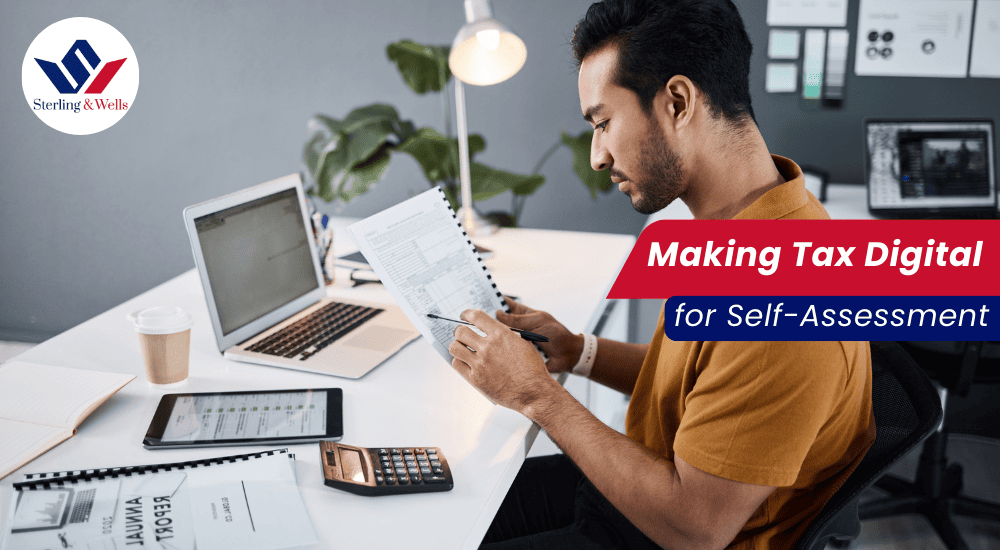
Making Tax Digital (MTD) is a UK government initiative designed to modernise the tax system by moving it entirely online. Under MTD, taxpayers are required to keep digital records of their income and expenses and submit tax information directly to HMRC using approved software.
The goal is to replace traditional paper-based bookkeeping and manual spreadsheets with a fully digital process. This not only reduces errors but also makes tax reporting faster, more accurate, and easier to manage for businesses, landlords, and self-employed individuals.
How MTD Impacts Accounting
Making Tax Digital isn’t just a new tax rule; it changes how accounting is done. Traditional bookkeeping with paper records or basic spreadsheets is no longer sufficient. Under MTD, all financial information must be digitally recorded and submitted through HMRC-approved software.
This has a direct impact on accounting:
- Businesses and landlords must keep accurate digital records of income, expenses, and invoices.
- Data must flow conveniently
- between systems, removing the need for manual entry.
- Quarterly updates to HMRC replace the old annual reporting system.
- At year-end, accountants submit a Final Declaration directly from the software.
In essence, MTD pushes accounting toward a fully digital, real-time system, making software and automated processes central to efficient tax management.
Why It Matters for Accounting
MTD is more than a reporting requirement; it fundamentally changes the way accounting works. Moving bookkeeping and tax submissions online brings several benefits for accountants, businesses, and landlords:
- Real-Time Financial Visibility – Accountants and business owners can track income and expenses throughout the year.
- Fewer Errors – Automated calculations and digital records reduce mistakes common in manual bookkeeping.
- Streamlined Reporting – Quarterly submissions and year-end declarations are easier to manage and less time-consuming.
- Better Decision-Making – With up-to-date financial data, businesses can plan more effectively.
Ultimately, MTD makes accounting more accurate, efficient, and transparent, transforming how businesses and accountants manage their finances.
Who Must Comply with MTD?
Making Tax Digital is being rolled out in stages, with different requirements for different groups of taxpayers. The rules are already mandatory for all VAT-registered businesses, meaning any company or individual registered for VAT must keep digital records and submit VAT returns using HMRC-approved software.
For landlords and sole traders, the rules are being introduced gradually. From April 2026, anyone earning over £50,000 from self-employment or rental income will need to comply. This will extend in April 2027 to those earning between £30,000 and £50,000, ensuring more taxpayers are brought into the digital system over time.
Partnerships and companies will be included in later phases, though HMRC has not yet confirmed the exact dates.
Overall, MTD will affect a large portion of UK taxpayers, making it essential for business owners, landlords, and self-employed individuals to start preparing early. By understanding whether and when they need to comply, taxpayers can avoid last-minute rushes and potential penalties while ensuring a smooth transition to digital accounting.
Common MTD Mistakes to Avoid
As Making Tax Digital becomes mandatory, many businesses, landlords, and sole traders fall into the same traps. Being aware of these pitfalls early can save time, stress, and potential penalties.
Some of the most common mistakes include:
- Using Spreadsheets Without Proper Digital Links – HMRC requires connected digital records, not standalone spreadsheets
- Mixing Personal & Business Finances – This can lead to errors when calculating taxable income
- Delaying Preparation – Waiting until the last minute often results in rushed, incomplete records.
- Misclassifying Income – Confusing rental, trading, or self-employment income can create compliance issues.
- Neglecting Software Setup – Failing to adopt HMRC-approved accounting tools in advance makes quarterly submissions harder.
By avoiding these mistakes, businesses and landlords can make the transition to MTD smoother, reduce errors, and stay fully compliant with HMRC requirements.
Preparing Your Business for MTD
Once you’re aware of the common pitfalls, the next step is to prepare your business for a smooth transition to Making Tax Digital. Start by ensuring all financial records, including income, expenses, invoices, and receipts, are fully digitised. Keeping personal and business finances separate is essential, especially for landlords and sole traders, to avoid errors during submissions.
Review your current bookkeeping processes and identify areas that still rely on manual entry or disconnected spreadsheets. Moving these into HMRC-approved accounting software creates an easy workflow, reduces mistakes, and makes quarterly updates easier to manage.
Finally, consider working with an accountant experienced in MTD compliance. They can guide you through software setup, ensure your records meet HMRC standards, and provide ongoing support. By preparing early, you can turn MTD from a regulatory requirement into a tool that simplifies accounting, improves accuracy, and saves time.
The Benefits of Going Digital with MTD
While Making Tax Digital introduces new requirements, it also brings significant advantages for businesses, landlords, and accountants. By moving to digital accounting, you can enjoy:
- Greater Accuracy – Automated calculations reduce human errors common in manual bookkeeping.
- Real-Time Financial Insights – Track your tax position and cash flow throughout the year, not just at year-end.
- Time Savings – Streamlined processes and automated reporting free up time for other business priorities.
- Simplified Compliance – Digital records and HMRC-approved software make submissions straightforward and reduce the risk of penalties.
- Better Business Decisions – With up-to-date financial data, you can plan more effectively and manage resources wisely.
Embracing MTD is more than a legal obligation; it’s an opportunity to modernise your accounting practices and gain better control over your finances.
Conclusion
Making Tax Digital represents a significant shift in the way accounting and tax compliance are handled in the UK. It moves businesses, landlords, and self-employed individuals away from traditional paper-based or spreadsheet bookkeeping and into a fully digital system that requires accurate record-keeping and regular submissions through HMRC-approved software.
While the transition to MTD may seem daunting, preparation is key. By understanding the rules, avoiding common mistakes, and adopting the right digital tools early, businesses can ensure a smooth, stress-free migration to the new system. Separating personal and business finances, reviewing bookkeeping processes, and seeking guidance from accountants familiar with MTD can all help to make compliance simpler and more efficient.
Beyond compliance, MTD brings several long-term benefits. Digital record-keeping reduces errors, provides real-time insights into your financial position, and streamlines reporting processes. Quarterly submissions mean that tax management is no longer a once-a-year scramble, allowing businesses to plan better and make informed financial decisions throughout the year.
In essence, MTD is not just a regulatory requirement; it is an opportunity to modernize your accounting practices, improve accuracy, save time, and gain greater control over your finances. Early adoption and careful preparation will not only keep you compliant with HMRC but also position your business to operate more efficiently and effectively in a digital-first world.