If you are a sole trader, landlord, or small business owner in the UK, Making Tax Digital (MTD) is set to change the way you handle your finances. From April 2026, these rules will require more rigorous digital record keeping and quarterly submissions to HMRC. Understanding these requirements early is essential to ensure compliance, avoid penalties, and maintain accurate financial records throughout the year. By planning ahead, you can simplify reporting and gain a clearer picture of your business’s financial health.
MTD is HMRC’s initiative to modernise the tax system, moving away from annual paper-based tax returns towards a real-time, digital reporting framework. This ensures that income and expense data is up to date, allowing for more accurate tax calculations and better financial planning. For anyone earning over £50,000 in combined self-employment or property income, these requirements become mandatory in 2026, with lower thresholds introduced in 2027 (£30,000) and 2028 (£20,000).
Why is Making Tax Digital Changing in 2026?
The 2026 changes are part of HMRC’s long-term strategy to make tax reporting more efficient and less error-prone. The main idea is that instead of completing one annual tax return at the end of the year, businesses and landlords will maintain digital records continuously and submit updates every quarter. This shift provides a more accurate picture of income and expenses throughout the year, helping both taxpayers and HMRC stay on top of tax obligations.
For many small business owners and landlords, this approach also offers practical advantages. Keeping digital records reduces the risk of mistakes that can occur when consolidating paper receipts or spreadsheets at the year-end. It also makes financial planning simpler, allowing you to monitor cash flow and tax liabilities in real time. By understanding these changes now, you can implement a record-keeping system that integrates seamlessly with your business processes, rather than scrambling to catch up when the deadlines arrive.
What Records Must You Keep Digitally?
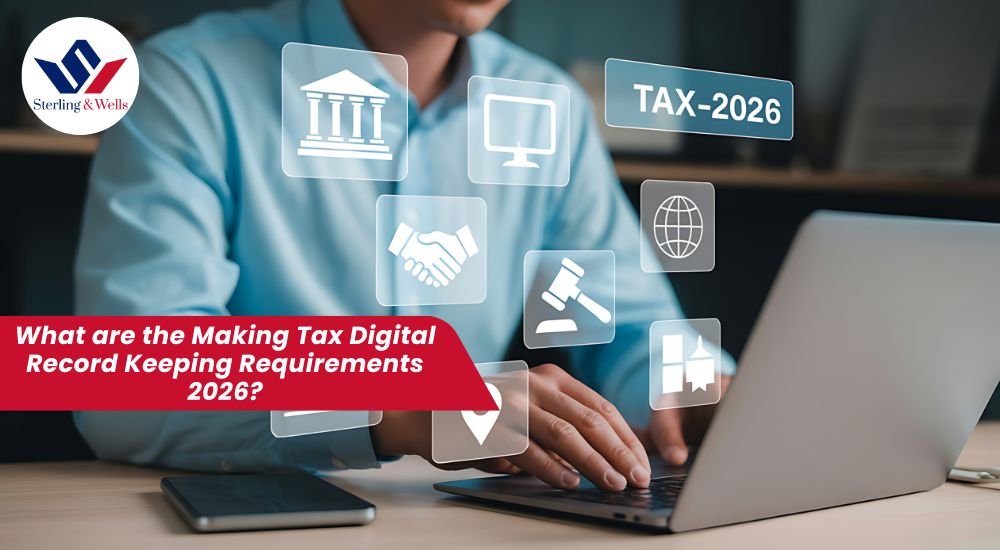
Digital record keeping under MTD goes beyond simply typing figures into a spreadsheet. HMRC requires all business income, expenses, bank transactions, invoices, receipts, and details of assets to be stored digitally in approved software. VAT records must also be maintained if your business is VAT registered. Accurate record keeping ensures that any disallowable expenses, such as the personal portion of mixed-use assets, are clearly identified. For example, if your mobile phone bill is partially for personal use, the software must distinguish between the business and personal amounts.
Maintaining digital records also provides practical benefits beyond compliance. By recording every financial transaction, you create an ongoing audit trail that can support claims for allowances and reliefs. Landlords benefit from being able to track rental income and allowable property expenses in real time, while sole traders can see precisely how business costs affect profitability. Over time, this enables better decision-making and reduces the likelihood of discrepancies that could trigger HMRC queries.
Choosing the Right Software
Choosing HMRC-approved software is a critical step in complying with MTD. The software must securely store all required records and allow quarterly submissions directly to HMRC. There is a wide range of options, from simple mobile apps for sole traders to comprehensive accounting platforms suitable for businesses with multiple income streams. Selecting the right software, like RentalBux, ensures that you can capture all relevant data efficiently and accurately.
Sterling & Wells can assist in evaluating which software best suits your business needs. Beyond initial selection, our team can help migrate existing records, provide training on using the software, and ensure that your system is fully compliant. Preparing in advance allows you to familiarise yourself with the process and minimise errors when the first quarterly submission is due in April 2026.
Preparing for Quarterly Updates
MTD replaces the annual tax return for qualifying taxpayers with quarterly updates. These updates summarise income and expenses every three months, giving HMRC a more accurate picture of your financial situation throughout the year. Regular updates help prevent year-end surprises and encourage ongoing monitoring of cash flow, profits, and tax liabilities.
Quarterly submissions also allow you to make adjustments throughout the year, rather than waiting until the end. For landlords, this could mean updating rental income and property-related expenses, while self-employed business owners can track turnover and allowable costs. Over time, this reduces stress, helps with planning payments on account, and ensures that any errors are identified and corrected promptly.
The Consequences of Non-Compliance
Failing to adhere to MTD requirements can result in penalties, interest charges, and increased scrutiny from HMRC. Non-compliance can occur if digital records are incomplete, quarterly updates are missed, or records are maintained outside approved software. Even minor errors can lead to complications, making early preparation essential.
Seeking professional guidance is highly recommended if you are unsure about thresholds or record-keeping requirements. Sterling & Wells can assess your situation, implement appropriate systems, and ensure compliance. This proactive approach mitigates risk and allows you to focus on running your business rather than dealing with potential fines or disputes with HMRC.
Step-by-Step Preparation
Preparing for MTD is a process that benefits from early action. Begin by assessing whether your income qualifies for mandatory compliance in 2026. If it does, select and purchase HMRC-approved software that suits your business size and complexity. Next, set up your digital record-keeping system and migrate any existing paper or spreadsheet records. Once your system is in place, sign up for MTD with HMRC and authorise your software to communicate directly with the tax authority.
Regularly reviewing and reconciling accounts is crucial. By ensuring that transactions are entered correctly and supporting documentation is maintained, you reduce errors and make quarterly updates straightforward. Sterling & Wells can guide you through every stage, from setup to submission, providing reassurance that your business remains compliant and your financial records accurate.
The Benefits of Digital Record Keeping
Although the transition to digital record keeping may feel challenging, it brings several advantages. Accuracy is improved because digital records reduce manual errors. By keeping up-to-date records, you gain better control over cash flow and profits, allowing informed business decisions. Quarterly submissions also provide a clearer picture of tax liabilities, helping avoid surprises and ensuring that payments on account are calculated correctly.
Digital systems also reduce the administrative burden of managing paper records. Invoices, receipts, and transaction logs are stored securely and easily accessible, making audits or queries far simpler to handle. Over time, these efficiencies can save both time and money, while providing a clear overview of your business’s financial health.
How Sterling & Wells Can Help
Sterling & Wells offers comprehensive support to businesses and landlords transitioning to MTD. We provide guidance on selecting and setting up software, migrating existing records, and preparing quarterly submissions. Our team also ensures ongoing compliance through regular account reviews and personalised advice tailored to your business’s needs.
By working with Sterling & Wells, you can approach MTD with confidence. We help you implement systems that meet HMRC’s requirements while streamlining your record-keeping processes. This proactive support allows you to focus on your business, secure in the knowledge that your tax obligations are being handled correctly.
Conclusion
Making Tax Digital represents a significant shift in how UK businesses, sole traders, and landlords report income and maintain financial records. By transitioning from paper-based reporting to digital record keeping, you not only comply with HMRC’s requirements but also gain a clearer, more accurate view of your business’s finances throughout the year. Keeping records digitally and submitting quarterly updates allows you to track income, expenses, and tax liabilities in real time, reducing errors and helping you plan more effectively for upcoming tax obligations.
While the new rules may feel complex at first, preparing early and implementing the right systems makes the process far more manageable. With HMRC-approved software, careful record management, and professional guidance from Sterling & Wells, you can stay on top of your obligations and avoid penalties. By taking proactive steps now, you can make the transition to Making Tax Digital seamless, giving you peace of mind and freeing you to focus on growing your business.