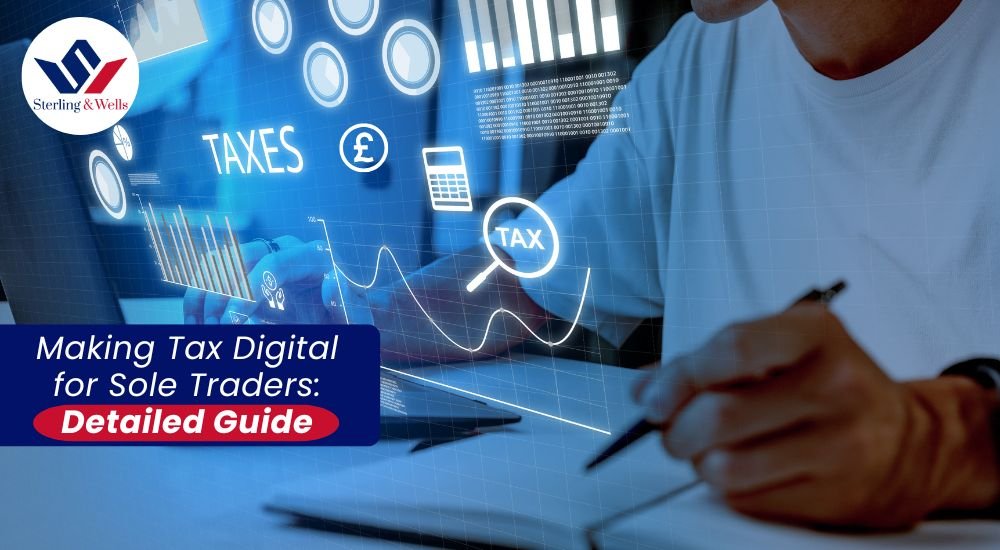
Making Tax Digital (MTD) is reshaping the way sole traders in the UK manage and report their income tax. This government-led initiative moves businesses from paper-based record-keeping to a fully digital system, streamlining submissions and reducing errors. As a sole trader, understanding MTD is crucial for staying compliant and keeping your financials organized.
Nearly 4.1 million self-employed individuals operate in the UK, and over two million of them will need to comply with MTD by 2028. The goal is simple: make tax reporting faster, more accurate, and less burdensome while giving both taxpayers and HMRC a clearer, real-time view of tax obligations.
This guide will walk you through everything you need to know about MTD for income tax, from qualifying income and compliance dates to choosing the right software and avoiding penalties.
What is MTD for Sole Traders?
Making Tax Digital (MTD) is a government initiative designed to modernize the way taxes are managed in the UK. For sole traders, this initiative is particularly important, as it shifts you from the traditional annual paper-based tax return to a fully digital system. The core idea is simple: your business finances, including income, expenses, and tax calculations, must be recorded digitally and submitted through HMRC-recognized software on a regular basis.
Previously, sole traders would maintain paper records or spreadsheets, often scrambling at the end of the year to compile everything for the Self-Assessment tax return. This system was prone to errors, lost documents, and delays in tax processing. With MTD, HMRC aims to reduce these issues by encouraging real-time digital reporting.
Key features of MTD for sole traders include:
- Digital Tax Records – All financial transactions, from income to expenses, must be recorded digitally. This allows for instant calculation of tax liabilities and minimizes errors caused by manual entry.
- Quarterly Submissions – Rather than filing once a year, you will submit updates to HMRC every three months. This keeps your records up-to-date and reduces the risk of large tax bills at year-end.
- Real-Time Reporting – By submitting data quarterly, you provide HMRC with a clear and continuous view of your tax obligations, which helps prevent discrepancies and improves transparency.
Why is this important? MTD not only ensures compliance but also makes managing your finances easier. By maintaining digital records throughout the year, you can track your profitability, plan for tax payments, and even identify opportunities to save through expenses and allowances. Essentially, MTD turns tax from a year-end headache into an ongoing process, giving you more control over your finances.
Does Making Tax Digital Apply to Sole Traders?
The next logical question is whether Making Tax Digital for sole trader applicable. The short answer is: if your business meets certain income thresholds, then yes. HMRC has defined specific criteria to determine which businesses must comply, mainly based on turnover and the type of income.
Income Thresholds:
- April 2026 – Sole traders earning more than £50,000 from self-employment or property rental.
- April 2027 – The threshold drops to £30,000.
- April 2028 – The threshold lowers further to £20,000.
This staged rollout allows businesses to adapt gradually to the digital system. If your income is below these thresholds, you may not be immediately required to comply, but starting early with digital record-keeping can make the eventual transition smoother.
Types of Income Covered:
Making Tax Digital focuses on self-employment income and property rental income. Other sources, such as dividends, interest, or pensions, are not included in the MTD calculations. For example, if you’re a freelance web designer earning £40,000 per year and also receive £5,000 in dividends, only the £40,000 counts toward MTD compliance.
As a sole trader, compliance involves:
- Using HMRC-approved digital software to maintain records
- Filing quarterly updates summarizing income and expenses
- Submitting a final declaration at the end of the tax year
Even if you are not immediately affected, adopting MTD for sole traders practices now can reduce stress and ensure you’re ready when your compliance date arrives.
What Counts as Qualifying Income for MTD?
Not all income you earn will be considered qualifying income under MTD. Understanding which sources count is essential to determine whether you need to comply and how to report your finances.
Included Income Sources:
- Self-Employment Income – This is income earned from running your business or freelancing. Examples include client fees, commissions, service charges, or revenue from sales. Every transaction must be digitally recorded in an MTD-compatible system.
- Rental Income – Income from property rentals also counts toward MTD compliance. This includes rent collected from tenants, management fees, and any additional income related to property business activities.
Excluded Income Sources:
- Dividends – Investment income from shares does not count toward MTD compliance.
- Interest – Savings account or investment interest is excluded.
- Capital Gains – Profits from selling assets such as property (excluding rental properties) or investments are not considered qualifying income.
- Pensions & Benefits – State pensions, workplace pensions, or benefits are outside the scope of MTD.
This distinction is important. For instance, if you earn £35,000 from self-employment but also receive £10,000 in dividends, your MTD qualifying income is only £35,000.
When Does MTD for Income Tax Start for Sole Traders?
The rollout of MTD for income tax is gradual, allowing businesses time to adapt. Compliance dates depend on the level of income:
- April 2026 – Sole traders with qualifying income above £50,000.
- April 2027 – Threshold reduces to £30,000.
- April 2028 – Threshold drops to £20,000, covering nearly all small sole trader businesses.
Why You Should Prepare Early for MTD for Sole Traders:
Even if your compliance date is a few years away, it’s wise to start digital record-keeping now. This allows you to familiarize yourself with MTD-compatible software, set up automated systems, and avoid last-minute scrambling. Adopting tools like RentalBux early ensures that all your income, expenses, and invoices are tracked digitally, making quarterly submissions a seamless process.
Are Sole Traders Exempt from MTD?
Some sole traders may qualify for exemptions from MTD, usually due to low income, special circumstances, or specific types of earnings. Common exemptions include:
- Turnover Below £20,000 – If your total income falls below this threshold, MTD compliance is not required unless future regulations change.
- Non-Qualifying Income Sources – Sole traders whose income primarily comes from pensions, dividends, or interest may be exempt.
- Age, Health or Connectivity Issues – Those who face difficulty using digital tools due to age, disability, or limited internet access may apply for an exemption.
How to Claim an Exemption:
- Check Eligibility – HMRC provides detailed guidelines on who can claim an exemption.
- Apply to HMRC – Submit your details, reasons for exemption, and supporting information.
- Maintain Records – Even if exempt, keep detailed financial records, as HMRC may request evidence.
Exemptions are not permanent—you must inform HMRC if your circumstances change.
MTD for Sole Traders Compliance Requirements
Complying with MTD involves three main components: using MTD-compatible software, maintaining digital records, and submitting quarterly and annual reports. Let’s break each down in detail.
1. MTD-Compatible Software:
Your software is the backbone of compliance. It must allow you to:
- Record income and expenses digitally
- Generate invoices automatically
- Track finances and reconcile bank statements
- Submit quarterly updates and final year-end reports to HMRC without manual calculations
RentalBux is an example of software that fulfills all these criteria. It supports multiple income streams, automates categorization, and integrates directly with HMRC, reducing the chance of errors.
2. Digital Record-Keeping:
Under MTD, every financial transaction must be recorded digitally, including:
- Receipts for business expenses
- Invoices issued to clients or tenants
- Financial statements, such as profit and loss summaries
Accurate records make quarterly updates easier, prevent mistakes, and reduce the likelihood of HMRC penalties.
3. Tax Submissions:
Sole traders submit their tax digitally through quarterly updates and a final declaration:
- Quarterly Updates – You report estimated income, expenses, and tax liabilities every three months. This replaces the traditional annual tax return.
- Final Submission – A final declaration reconciles quarterly updates with actual figures, applies reliefs and allowances, and confirms total tax owed.
Quarterly reporting helps you monitor cash flow, spot errors early, and ensure smooth end-of-year compliance.
What MTD-Compatible Software Do Sole Traders Need?
Choosing the right software is critical. MTD-compliant software should:
- Be easy to use, even if you’re not tech-savvy
- Automate income and expense categorization
- Integrate directly with HMRC for digital submissions
- Support multiple income streams, including self-employment and property income
- Offer reporting tools to monitor cash flow, taxes, and compliance
RentalBux is particularly useful for sole traders and landlords. It supports automated bank reconciliation, tracks property income, and even handles foreign property earnings. Best of all, it’s free for one income unit until April 2028, making it an ideal option for small businesses transitioning to MTD.
What Should Sole Traders Do if They Qualify for MTD?
Once you’ve determined that your business qualifies for Making Tax Digital, the next step is preparation. Compliance isn’t just about registration—it’s about setting up systems that allow you to record, track, and submit your tax information efficiently.
1. Register for MTD
Registration is your first formal step with HMRC. Here’s how to do it:
- Create or Sign In to Your HMRC Account – If you already have an account, simply log in. If not, create one using your National Insurance number and business details.
- Register for MTD for Income Tax – Even if you are already registered for MTD for VAT, Income Tax registration is separate. Provide your business details and follow HMRC’s prompts.
- Receive an MTD Reference Number – HMRC will issue an MTD reference number confirming your enrollment. Keep this number safe—it’s required for submissions and correspondence.
2. Set Up Digital Record-Keeping
Once registered, it’s time to choose and configure software for record-keeping. Here’s how to get started:
- Choose HMRC-Approved Software – Platforms like RentalBux are tailored for sole traders and landlords. They handle self-employment income, property income, and foreign property earnings all in one system.
- Input Your Financial Data – Record your income, expenses, invoices, and receipts in the system. The right software can automatically categorize transactions, which reduces human error and saves hours of manual work.
- Maintain Regular Updates – Keeping your records up-to-date ensures quarterly submissions are accurate and stress-free.
3. Submit Quarterly Updates
Quarterly reporting is a new requirement under MTD, replacing the traditional annual tax return. Here’s what you need to know:
- Generate Updates via Software – Most MTD-compliant software will automatically compile your income, expenses, and tax estimates.
- Review Before Submission – Always double-check the numbers for accuracy. Mistakes can lead to penalties or complications.
- Meet Deadlines – Updates are due every three months. Using a software, you can schedule reminders and submit directly to HMRC, keeping you compliant without stress.
4. Submit Your Final Declaration
After the four quarterly updates, a final year-end submission reconciles your estimates with actual figures:
- Adjust Figures if Needed – If estimates were off during the year, the final declaration corrects discrepancies.
- Include Reliefs & Allowances – Claim applicable deductions to reduce your overall tax liability.
- Deadline – The submission and payment deadline remains 31 January following the end of the tax year.
By setting up systems early and staying consistent, compliance becomes less of a chore and more of a routine.
Costs of Compliance with MTD for Sole Traders
Transitioning to digital tax reporting involves various costs. Understanding these will help you budget and avoid surprises.
1. Software Costs
Your primary expense will be MTD-compatible software. Options vary:
- Free Options – Some platforms offer free accounts for one property or one self-employment income unit until April 2028, making it ideal for small businesses or landlords starting out.
- Paid Software – More advanced solutions may charge £10–£30 per month. They offer features like multi-income tracking, bank integration, and advanced reporting.
2. Additional Costs
Even with software, you may incur extra expenses:
- Accountants or Tax Agents – If you prefer professional assistance, fees typically range from £100–£300 per hour. Some accountants offer fixed MTD packages.
- Specialists – Complex tax situations, such as international income or VAT obligations, may require specialist advice.
3. Hidden Costs
Transitioning to MTD isn’t just financial—time and effort matter too:
- Learning the System – Familiarizing yourself with digital tools can take several hours or days.
- Updating Processes – Adjusting workflows and training staff can require additional investment.
- Quarterly Commitments – Even automated systems need your review each quarter to ensure accuracy.
For Example,
HMRC estimates that individuals with £30,000–£50,000 income may face an average transitional cost of £350, plus £110 annually. For those earning above £50,000, transitional costs average £285, with £115 annual maintenance. Using automated software like RentalBux can reduce both time and financial costs by streamlining the process.
Penalties for Non-Compliance
Failing to comply with MTD can result in penalties. Fortunately, HMRC’s system is points-based rather than automatically fining you for a single mistake.
Points-Based System:
- Quarterly Updates – One point is added for each late submission.
- Final Submission – An additional point is added if the annual declaration is late.
- Rolling 24-Month Window – Points are tracked over two years. Maintaining compliance clears previous points over time.
Common Mistakes Leading to Penalties:
- Missing quarterly deadlines
- Failing to keep accurate digital records
- Using non-approved software or submitting incomplete data
Avoiding Penalties:
- Stay ahead of deadlines
- Use MTD-compliant software such as RentalBux
- Regularly review your financial records before submission
Support and Resources for Sole Traders
Even with good software, staying informed is key. HMRC offers official guidance on MTD compliance, registration, and reporting.
- HMRC MTD Website – Provides detailed instructions, FAQs, and downloadable guidance documents.
- Webinars & Tutorials – HMRC occasionally offers webinars explaining MTD compliance for different business types.
- Community & Forums – Online communities and forums provide practical tips from other sole traders.
Conclusion
Making Tax Digital represents a major shift in how sole traders manage their tax obligations. While the transition may seem daunting at first, adopting digital tools can make the process straightforward, accurate, and efficient.
By registering for MTD for sole traders, maintaining digital records, submitting quarterly updates, and filing your final year-end declaration, you can avoid penalties and gain better insight into your business finances. The sooner you start, the smoother your transition will be.
Digital compliance isn’t just about following regulations—it’s about taking control of your finances, reducing stress, and planning ahead for growth. Platforms like RentalBux are here to make this journey easier, offering automated tools, clear reporting, and support designed specifically for sole traders and landlords.
Don’t wait until the compliance date approaches. Start today, streamline your tax management, and stay ahead of the game with MTD.