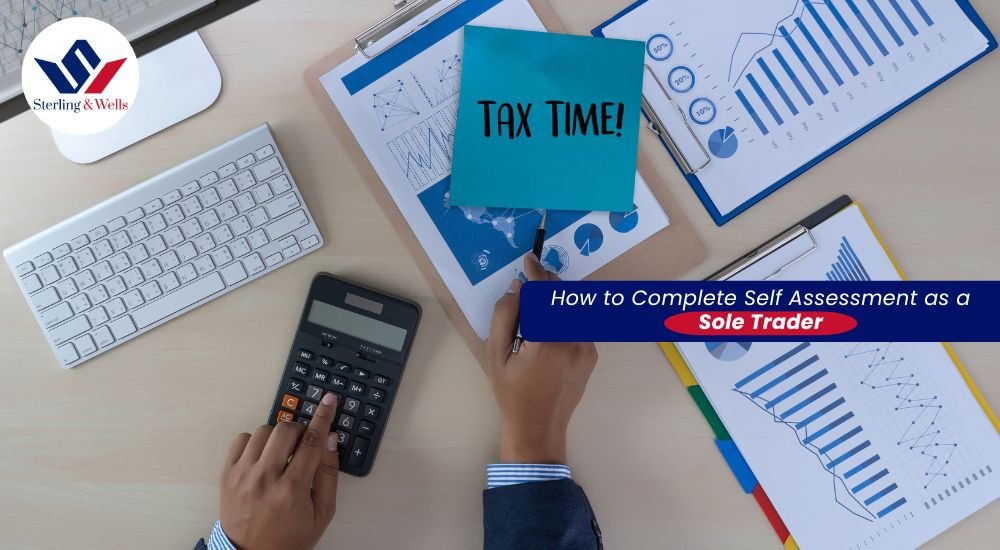
Completing your Self Assessment as a sole trader can feel like a big task, especially if you’re doing it for the first time. Many business owners worry about missing something important or accidentally entering the wrong figures. But with the right guidance and a clear understanding of how the process works, it becomes far more manageable. The key is to break the steps down, prepare ahead of time, and stay organised throughout the year.
This guide explains every stage, helping you submit a correct and confident Self Assessment return. Whether you are newly self-employed or have been running your business for years, we will help you understand your obligations and avoid common mistakes.
What Self Assessment Means for Sole Traders
Self Assessment is the system HMRC uses to collect Income Tax from people who do not have all their income taxed at source. If you work for yourself, you are responsible for telling HMRC how much you earned and what your business expenses were. Unlike employees who have their tax deducted automatically through PAYE, sole traders must actively report their income each year and pay the right amount of tax.
For many business owners, this responsibility can feel unfamiliar at first. However, once you understand how the system works and what information HMRC expects from you, completing your Self Assessment becomes a routine process that fits naturally into your business year.
Who Needs to File a Self Assessment Return?
Most sole traders will need to complete a Self Assessment return if they earn more than the personal allowance, which for the 2025/26 tax year remains at £12,570. Even if your profits are modest, HMRC expects you to file when you cross this threshold. It’s also important to remember that some individuals must still file even if they are below this limit, particularly if they have other income that was not taxed automatically.
You may also be required to submit a return if your total income exceeds £100,000, if you receive rental income, or if you have earnings from investments, freelance work, or overseas sources. When in doubt, it is always better to check. HMRC can impose penalties for failing to file when required, and resolving those issues after the deadline can be unnecessarily stressful.
Understanding the Key Deadlines
The Self Assessment tax year runs from 6 April to the following 5 April. After the year ends, you have until 31 January to submit your online return. For example, the return for the 2024/25 tax year must be filed by 31 January 2026. Missing this deadline triggers an immediate late-filing penalty, even if you owe no tax, so marking this date in your calendar is essential.
Submitting early has clear advantages. It gives you time to correct any mistakes, arrange payment, and avoid last-minute pressure. Many sole traders choose to file well before the Christmas period to free up their time and stay ahead of HMRC deadlines.
Registering for Self Assessment for the First Time
If this is your first year of self-employment, you’ll need to register with HMRC. The process is simple but important. You provide your personal and business details, confirm your status as a sole trader, and wait for HMRC to send you a Unique Taxpayer Reference (UTR). This number will become part of your identity as a taxpayer and will be required every time you file.
Once you receive your UTR and create your Government Gateway account, you are officially set up to submit Self Assessment returns.
Organising Your Records & Documents
Good record keeping is the foundation of an accurate tax return. Before you begin filling in any forms, gather all your financial information for the year. This includes invoices, bank statements, receipts for business expenses, and details of any other income you received. If your records are clear and complete, the process becomes significantly easier.
Many sole traders set aside time each month to update their accounts rather than waiting until the end of the year. This habit reduces the risk of lost receipts or forgotten income and ensures you are ready to complete your return without delays.
What You’ll Need to Include in Your Return
Your Self Assessment return includes several sections, but the main areas for sole traders focus on personal information, business income, and allowable expenses. HMRC will ask for details of your trading profits, the nature of your business, and any other income you receive during the tax year. They will use this information to calculate how much tax you owe.
You’ll also have the opportunity to claim business expenses. These can include office supplies, travel costs, equipment, home-working expenses, and other costs that are wholly or partly related to running your business. Claiming these correctly reduces your taxable profit, so it’s important to understand what qualifies as an allowable expense.
The Shift Toward Making Tax Digital
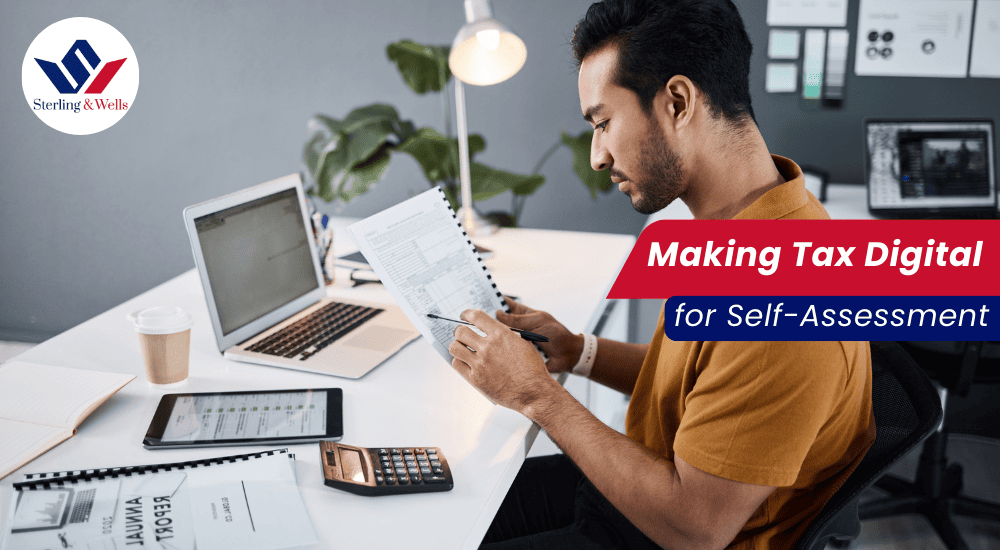
HMRC’s Making Tax Digital (MTD) initiative is changing how sole traders manage their tax affairs. Under the new rules, self-employed individuals will eventually be required to keep digital records and use compatible software to submit updates to HMRC throughout the year. The goal is to reduce errors, streamline record keeping, and make tax administration more efficient.
If you are not already using digital accounting tools, this is an ideal time to transition. Software can help you track expenses, store invoices, and generate reports automatically.
Avoiding the Most Common Mistakes
Mistakes in Self Assessment are more common than many people think. Some sole traders forget to claim allowable expenses, while others enter incorrect figures or miss the filing deadline altogether. These errors can lead to penalties, overpayments, or HMRC inquiries, all of which can be avoided through careful preparation.
Double-checking your numbers, keeping clear records, and filing ahead of the deadline go a long way toward preventing issues. If you feel unsure at any stage, professional support can provide peace of mind and help you avoid costly errors.
Submitting Your Return Online
Submitting your return online is straightforward once you’ve logged into your Government Gateway account. HMRC’s system will guide you through each section, prompting you to enter the required information. If you use accounting software, you may be able to submit your return directly through the software interface, which can further reduce the chance of mistakes.
After completing all sections, you will be shown a calculation of your tax bill. Take a moment to review it before submitting to ensure your information is accurate.
After You File: What Happens Next
Once your return is submitted, HMRC will process the information and confirm the amount of tax you owe. Your payment deadline is usually 31 January. Some taxpayers may also need to make a payment on account, which is an advance payment toward the next tax year’s bill.
If you find yourself unable to pay the full amount on time, it is crucial to contact HMRC as early as possible. They may allow you to set up a payment plan to avoid further penalties and interest.
When It’s Time to Seek Professional Support
Handling your own Self Assessment is certainly possible, but there are situations where professional guidance is extremely valuable. If your income streams are complex, if you’re unsure which expenses you can claim, or if you want to ensure everything is completed correctly, working with an accountant can save both time and stress.
Sterling & Wells provides tailored support to sole traders, helping you stay compliant, improve tax efficiency, and keep your records in excellent order. Many clients find that professional assistance pays for itself through reduced risk and better financial planning.
Practical Advice for First-Time Filers
First-time filers often feel the most unsure, but with careful preparation the process is surprisingly manageable. Take time to read HMRC’s guidance, avoid rushing through the sections, and check your income and expenses carefully. If anything feels unclear, reaching out for help can prevent mistakes and give you the confidence that your return has been completed correctly.
Staying Organised Throughout the Year
Keeping your paperwork in order throughout the year is one of the most effective ways to simplify the Self Assessment process. Many sole traders find it helpful to set up a dedicated system for storing receipts, invoices, and statements. Digital accounting tools can automate much of this work, making it easier to track your financial position month by month.
By staying organised, you reduce the stress that often comes with last-minute preparation and ensure that your return is both accurate and complete.
Correcting Mistakes After Filing
Mistakes do happen, but HMRC allows you to amend your return for up to twelve months after the filing deadline. If you discover an error—whether it’s an incorrect figure, an unclaimed expense, or a missed source of income—you can make corrections through your online account.
You can amend your return online within 12 months of the filing deadline. If you’ve underpaid tax, HMRC will let you know how much you owe and when to pay it.
Conclusion
Completing a Self Assessment Tax Return may seem daunting at first, but with the right approach it becomes a manageable part of running your business. Preparing early, keeping accurate records, and understanding what HMRC expects will help you stay on track and avoid unnecessary stress. And when the process feels overwhelming or unclear, professional support is always available.
Sterling & Wells is here to help sole traders navigate every stage of Self Assessment with confidence. Whether you need help registering, organising your records, choosing software, or reviewing your return before submission, our team is ready to guide you through the process and make tax compliance simpler than ever.